Good brain games for dementia that encourage focus and light joy include music memory moments, simple puzzles and shape sorting, matching card games, and reminiscence photo sorting. You can help those with dementia focus by providing a calm, structured, and supportive environment.
According to the World Health Organization (WHO), dementia is currently the 7th leading cause of death and one of the major causes of disability and dependency among older people globally. Unfortunately, it's not a preventable or curable disease, so once someone receives a diagnosis, they have to live with it.
But if your loved one is a senior in Kingwood, TX, with a diagnosis, that doesn't necessarily mean that all hope is lost. In fact, there are great brain games for dementia that can help them retain cognitive function and slow decline.
What Are Good Brain Games for Dementia?
One of our best dementia care tips is to play brain games with your loved one. These can challenge the mind, but without it feeling like tasks or chores.
Below are our favorite picks that can be fun, especially when done with others.
Music Memory Moments
UCLA reports that researchers in Australia found that those who listened to music almost daily lowered their risk of dementia by nearly 40%. It also helped with general cognitive decline. So as you can see, music is powerful in regard to memory.
What's great about music is that it often reaches parts of the brain that remain strong, even as memory changes. And you don't have to use words to participate either.
With this type of light engagement, you can play familiar songs from your loved one's past. Encourage them to hum, tap along, or sing a few words. This activity can reduce anxiety and lift their mood, as well as provide an emotional connection.
Simple Puzzles and Shape Sorting
One of the most obvious ways to give someone with dementia cognitive stimulation is to provide them with puzzles. You can encourage focus without frustration by using:
- Large-piece puzzles
- Shape sorters
- Picture-matching boards
These puzzles should have clear images, bold colors, and a small number of pieces. This should keep the activity manageable and enjoyable.
Remember that the goal isn't speed or perfection. The aim is gentle engagement. It can help strengthen:
- Attention
- Hand-eye coordination
- Problem-solving
Matching Card Games
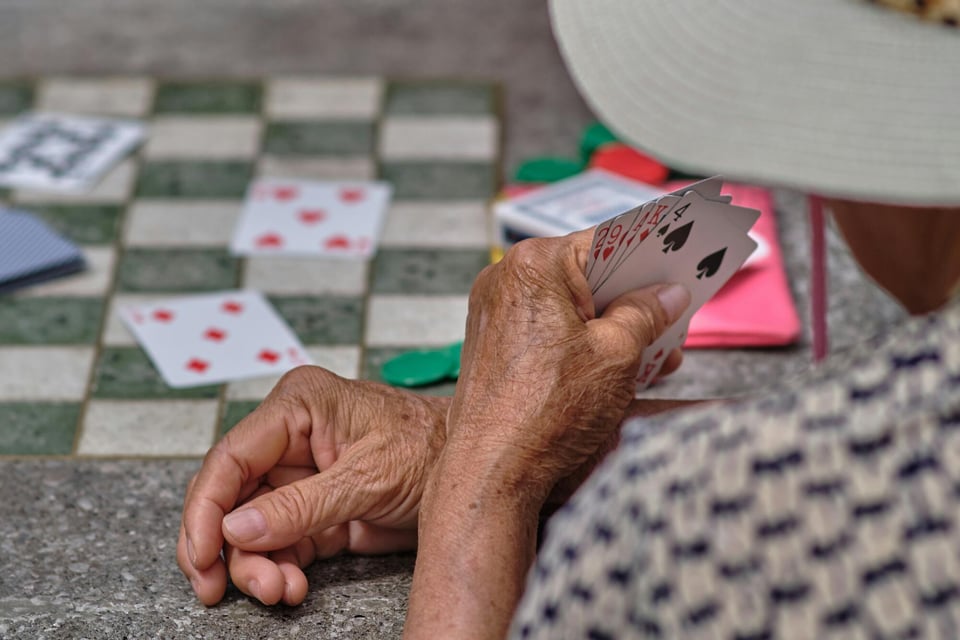
Matching card games are another type of memory support that can be fun and challenging. Whether you use store-bought memory cards or create your own, you should lay out just a few cards at a time to avoid overwhelm.
Your beloved senior can then match identical pictures or pair related objects. It can be useful to use photos of family members or pets, as they're more familiar.
This brain game exercises:
- Attention
- Visual recognition
- Decision-making skins
Reminiscence Photo Sorting
Reminiscence photo sorting can boost mental wellness, and it's an excellent way to retain healthy family relationships. You can start by gathering photos from different times in your loved one's life.
When you meet with them, have them sort the pictures into small piles or albums. Do note that there's no right or wrong way to do it; you should encourage them to discuss how and why they've sorted the pictures. The purpose is to encourage attention and decision-making.
What Is the 90-Second Rule for Dementia Patients?
The 90-second rule for dementia patients is a simple but powerful communication and caregiving technique. It can help reduce stress, anxiety, and emotional outbursts.
This rule is based on the idea that strong emotional reactions often peak and begin to fade within about 90 seconds if they're not reinforced. So for caregivers, this means:
- Pausing
- Staying calm
- Giving the person time to settle
This can be a good way to handle agitation in someone with dementia if the above brain games are too overwhelming for them.
Frequently Asked Questions (FAQs)
What Helps Dementia Patients Focus?
What helps dementia patients focus is a calm, structured, and supportive environment. To do this, you should reduce noise, clutter, and visual distractions, as this can make it much easier for them to concentrate on one task at a time.
In addition, simple routines are helpful. Familiar patterns reduce confusion and mental fatigue.
Other things that can help are:
- Breaking tasks into small, manageable steps
- Giving clear, gentle instructions
- Having good lighting, comfortable seating, and familiar objects
It's also important to choose the right time of day. Many seniors with dementia focus better in the morning.
How To Bring Joy to Dementia Patients?
To bring joy to dementia patients, you should focus less on memory and more on emotional connection. Surprisingly, simple pleasures can spark happiness and comfort, so try those. Ideas include:
- Listening to favorite music
- Looking through old photos
- Spending time outdoors
To create a sense of safety and belonging, provide them with:
- Familiar routines
- Gentle touch
- Warm conversation
Always make sure to meet them where they are emotionally, and don't correct or challenge their reality.
What Are the 5 Rs of Dementia?
The 5 Rs of dementia are a helpful caregiving approach. When caregivers use them, they can support emotional well-being, reduce agitation, and improve daily quality of life for those with dementia.
The 5 Rs of dementia are:
- Reassure: Offer calm, comforting words and presence
- Redirect: Gently guide attention away from distressing thoughts or behaviors
- Reminisce: Use familiar memories, music, or stories to create comfort and connection
- Routine: Provide structure and predictability to reduce stress and confusion
- Respect: Treat the person with dignity, patience, and kindness
Do Brain Games for Dementia
If your loved one has a diagnosis, then have them do brain games for dementia. These exercises can jog their memory and help them retain strong cognitive health while bringing joy.
Also, these activities can be done together, so there's a nice social element too. When your beloved senior experiences an emotional connection with you, it can be hugely beneficial in their mental well-being.
To schedule a tour at our senior living community in Kingwood, TX, contact us now. Cypress Woods Senior Living has light linen service, weekly housekeeping, and maintenance to take the stress of home upkeep off their shoulders so they can truly enjoy their golden years.