
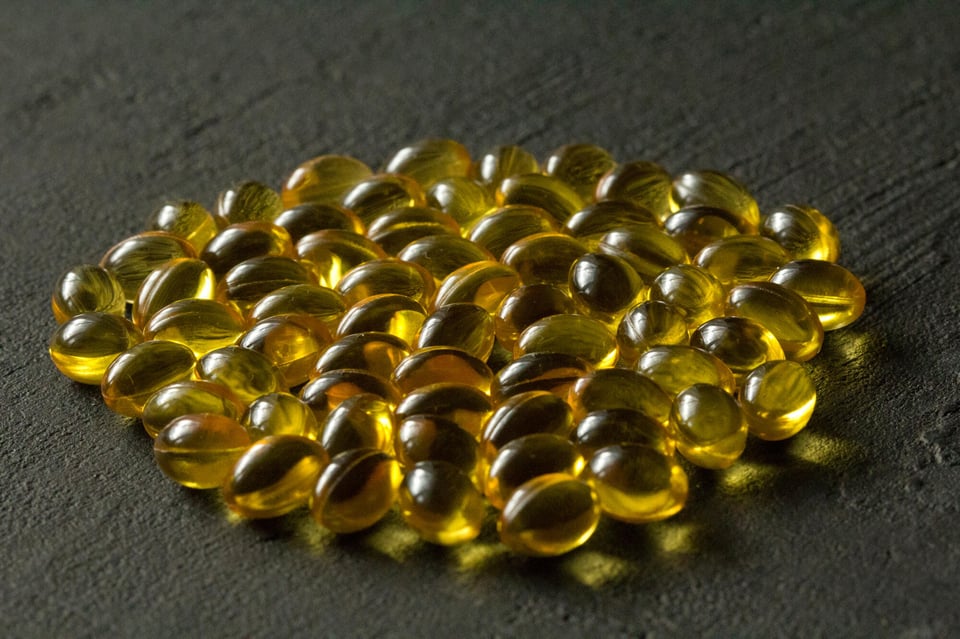
Vitamin D for seniors over 70 is essential for supporting both body and brain health. Adequate levels help maintain strong bones, support muscle function, and promote overall wellness, making daily life safer and more enjoyable.
More than a third of adults in the U.S. have a vitamin D deficiency, putting them at higher risk for falls, fatigue, and cognitive challenges. At Cypress Woods, our senior living community in Kingwood, Texas, just 27 miles from Houston, we focus on senior nutrition and healthy aging through wellness programs, chef-prepared meals, and supportive services designed to help residents thrive.
In this blog post, we will explore why vitamin D is so important, how to safely get enough, and how it supports your body and brain.
Should a 70-Year-Old Take Vitamin D?
Seniors over 70 generally benefit from vitamin D. As we age, the body's ability to produce vitamin D from sunlight decreases.
Reduced outdoor activity and dietary gaps can also contribute to deficiency. For many older adults, supplementation or careful monitoring is therefore recommended.
Vitamin D supports bone strength, helping to reduce the risk of fractures and falls. It also supports muscle function, which can improve balance and mobility. For seniors, maintaining these functions is essential for independence and quality of life.
Here at Cypress Woods in Kingwood, Texas, we focus on supporting healthy aging through nutrition and wellness programs. Residents have access to guidance on senior nutrition and can learn how to maintain adequate vitamin D levels.
Checking vitamin D levels with a healthcare provider is the safest way to determine personal needs.
What Does Vitamin D Do for the Body and Brain?
Vitamin D plays a key role in both body and brain health. For the body, it helps the intestines absorb calcium and phosphorus, which strengthen bones. Adequate vitamin D reduces the risk of fractures and supports muscle function, which is especially important for seniors.
Brain health also benefits from vitamin D. Studies suggest it may help:
- Protect cognitive function
- Support mood regulation
- Lower the risk of memory decline
Maintaining healthy vitamin D levels can contribute to sharper thinking and better emotional well-being.
Residents at Cypress Woods enjoy wellness programs and activities designed to support body and brain health. Combining proper nutrition, safe sunlight exposure, and an active lifestyle can help seniors maintain independence and overall well-being as they age.
How Seniors Can Safely Get Enough Vitamin D
Seniors can get vitamin D from sunlight, food, and supplements. Short, safe periods of sun exposure on arms or legs can help the body produce vitamin D naturally. Care should be taken to avoid sunburn, especially for sensitive skin.
Dietary sources include fatty fish, fortified milk or plant-based alternatives, and eggs. Including these foods regularly supports healthy aging.
When diet and sunlight are not enough, supplements may be necessary.Healthcare providers can recommend the right dosage based on individual needs.
Combining these methods is often the safest approach. Seniors should consult with their doctor before starting supplements to avoid overconsumption and ensure proper balance with other nutrients.
Signs of Vitamin D Deficiency and When to Act
Vitamin D deficiency can show through fatigue, muscle weakness, bone pain, and mood changes. These signs may be subtle at first but can affect daily life if unaddressed. Seniors who notice any of these symptoms should discuss them with their healthcare provider.
A blood test is the most reliable way to detect low vitamin D levels. Early detection allows for safe intervention through:
- Diet
- Supplements
- Lifestyle adjustments
At Cypress Woods, our focus on senior nutrition and healthy aging means residents have access to wellness resources that support vitamin D intake. Maintaining adequate levels helps protect bone strength, support mobility, and promote overall well-being, making daily activities safer and more enjoyable.
Frequently Asked Questions
How Can Seniors Ensure Proper Vitamin Support?
Seniors can maintain proper vitamin support by balancing diet, sunlight, and supplements. Foods like fatty fish, fortified milk, and eggs provide natural sources of vitamin D.
Supplements may be recommended after consulting a healthcare provider. Regular monitoring of levels helps seniors stay within a safe and effective range.
Can Vitamin D Help With Winter Wellness?
Vitamin D plays a key role in winter wellness by supporting immune function and energy levels. Short periods of sun exposure, even in colder months, combined with vitamin D-rich foods or supplements, can help reduce the risk of seasonal fatigue and illness.
Consistency is essential for maintaining strength and overall wellness during winter.
How Does Vitamin D Support Brain and Bone Health?
Vitamin D helps maintain strong bones by improving calcium absorption and reducing fracture risk. It also contributes to brain health by supporting cognitive function and mood regulation. Adequate levels can help seniors preserve independence and mental sharpness as they age.
Are There Risks With Too Much Vitamin D?
Taking excessive vitamin D can lead to high calcium levels, which may cause nausea, kidney problems, or heart complications. Seniors should always follow their healthcare provider's guidance to avoid overconsumption and ensure safe supplementation.
How Often Should Seniors Check Their Vitamin D Levels?
Blood tests can reveal if vitamin D levels are sufficient. Seniors over 70 may benefit from testing once or twice a year, especially if diet, sunlight exposure, or supplement intake changes. Early detection of low levels allows for timely intervention and prevents related health issues.
Can Lifestyle Changes Improve Vitamin D Absorption?
Yes, combining moderate sunlight exposure with nutrient-rich meals and light physical activity can improve absorption.
Weight-bearing exercises, like walking, also enhance bone strength, complementing the effects of adequate vitamin D intake.
The Importance of Vitamin D for Seniors Over 70
In summary, vitamin D for seniors over 70 is essential for maintaining strong bones, healthy muscles, and a sharp mind. At Cypress Woods Senior Living in Kingwood, Texas, we offer independent living with supportive services, chef-prepared meals, and wellness programs designed to help residents thrive.
Our community combines comfort, connection, and opportunities for healthy aging in a welcoming environment just 27 miles from Houston. Take the next step toward better health and independence. Schedule a tour and see how life at Cypress Woods can support your body, brain, and overall well-being.